How grassroots collaboration with Black mothers in Birmingham turned data into power.

The Story
WHO ARE THEY?
Maternity Engagement Action (MEA) is the partnership that gave birth to Roots & Rigour.
What began as a local collaboration with Black mothers in Birmingham grew into a nationally recognised model of community-led research. Together we set out to show that rigorous enquiry and cultural power can co-exist and that the most transformative knowledge emerges when people who are usually studied become the ones doing the studying.
The Challenge
WHY NOW?
When we first met MEA, Black women were still five times more likely to die during pregnancy or childbirth than their white counterparts.
Behind those statistics were systems that failed to listen.
When MEA first approached Roots & Rigour, data about Black maternal health existed – but not from or for the communities most affected.
We wanted to ask a different question
What would it mean for Black mothers in Birmingham to have total agency over their own data – and to use that power to redesign care?
The Solution
WHAT WE DID
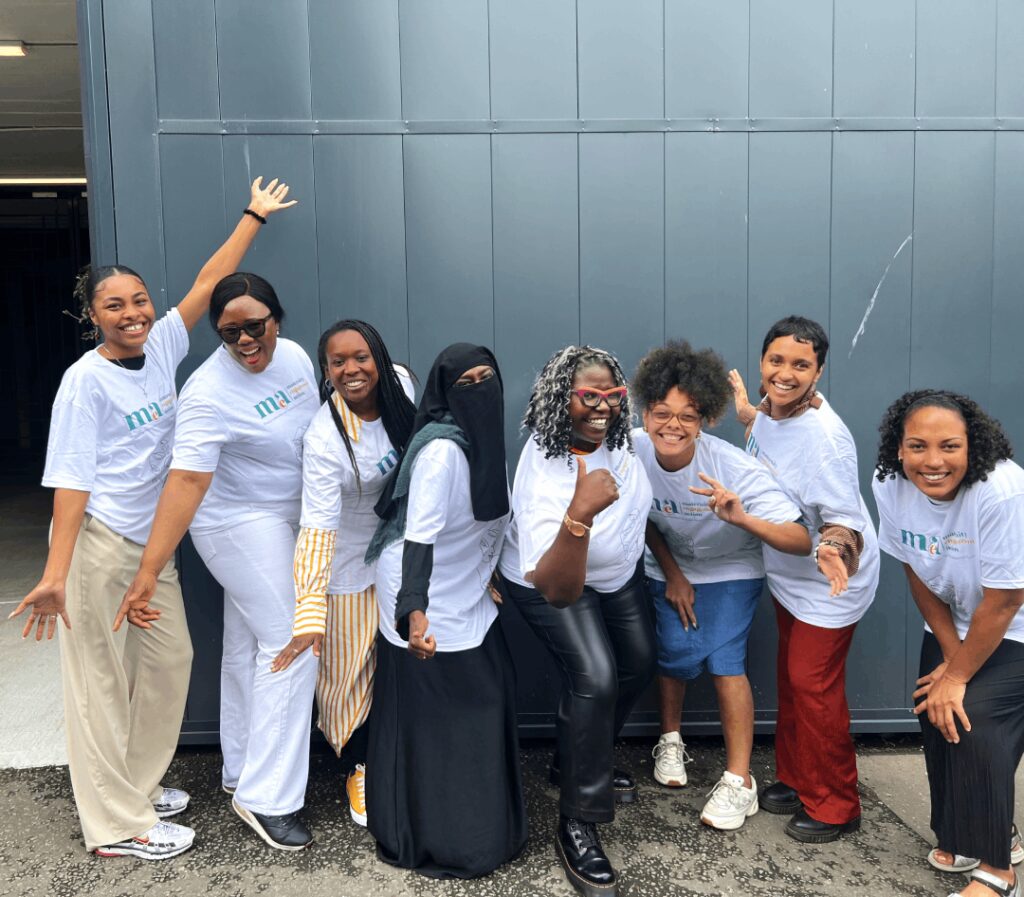
Working with Amanda Maryam Smith (Founder & CEO of MEA) and the Maternity Ambassadors for Change (MACs). We co-created a research journey grounded in Black feminist, trauma-informed, and relational principles.
Over two years we built a participatory process that blended qualitative research, collective reflection, and systems-change training.
Our method included:
Community Ownership
Black mothers designed and led the study, defining questions and ethics.
Data Reflection Workshops
Spaces where participants analysed survey data through their own lived experience, reframing “stories as data”.
Research Principles
Seven guiding commitments developed through the work – from “Black women’s agency is non-negotiable” to “The point is to change things” (read the 7 Principles here).
Collaborative Scholarship
Roots & Rigour and Ratio provided qualitative and systems-science expertise while MEA led engagement and care.
Connected by Data partnership
Later, through the Community Campaigns on Data programme, MEA and Roots & Rigour transformed research insights into a policy-facing campaign.
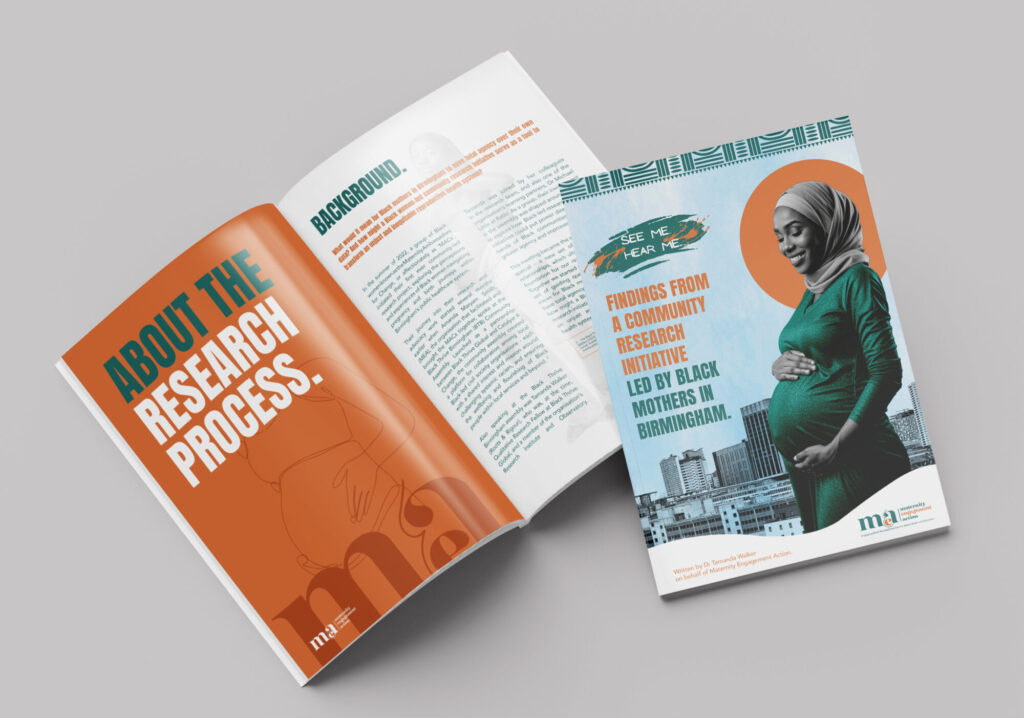
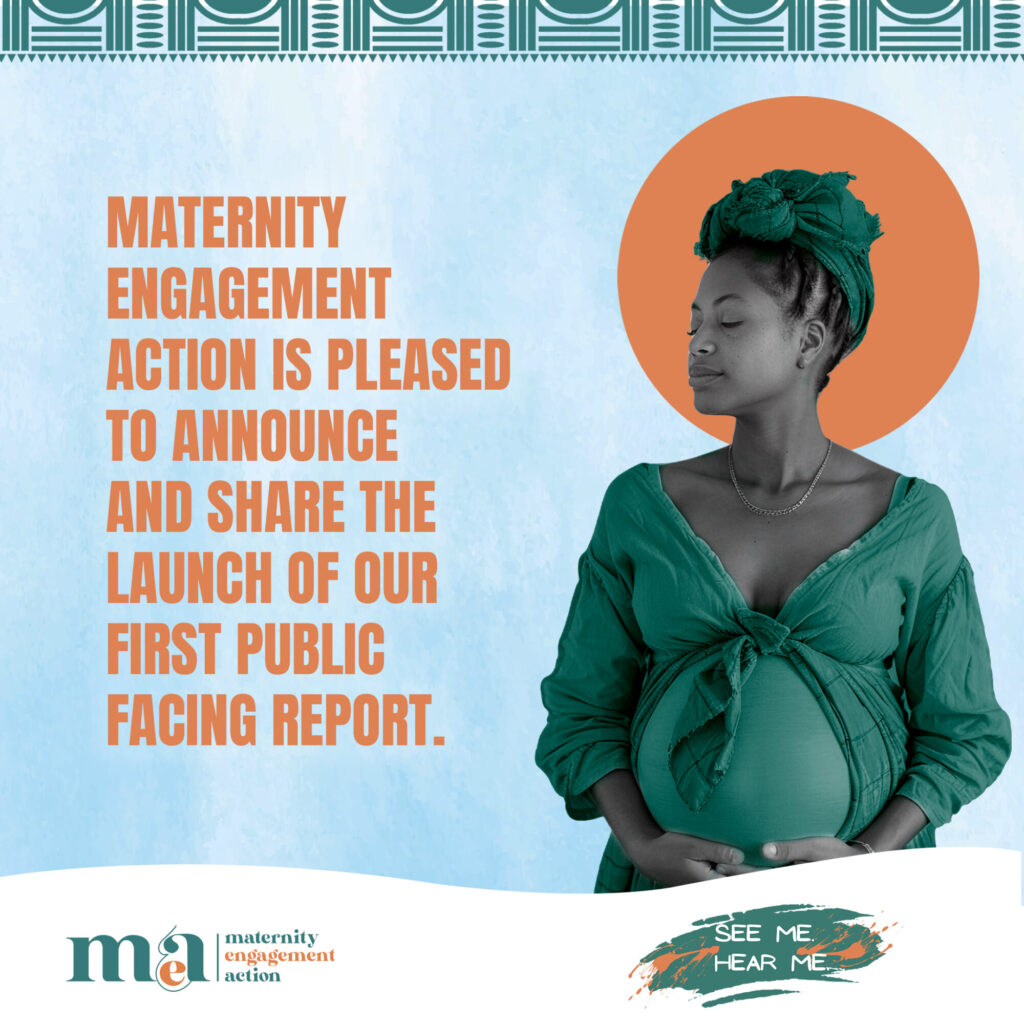
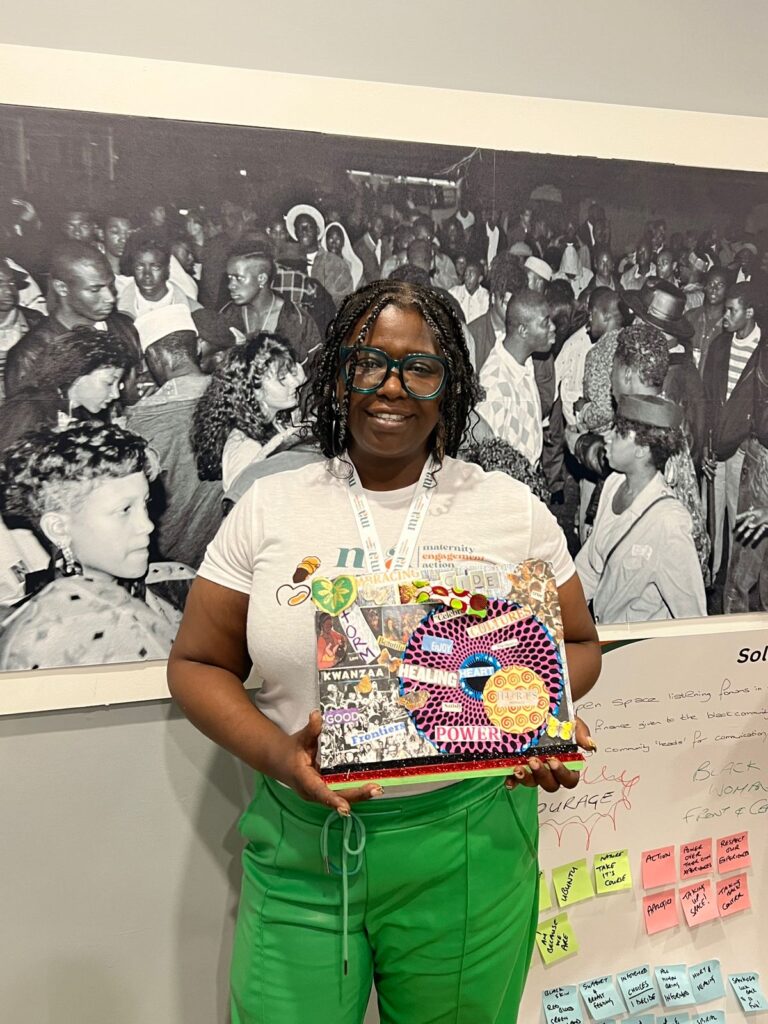
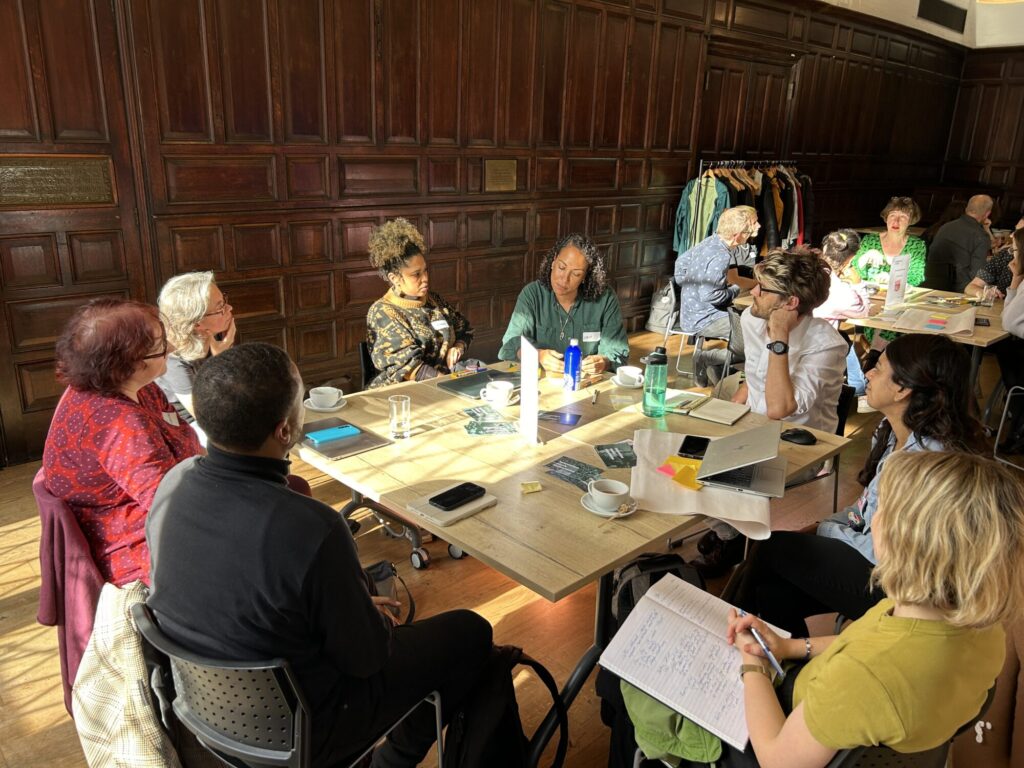
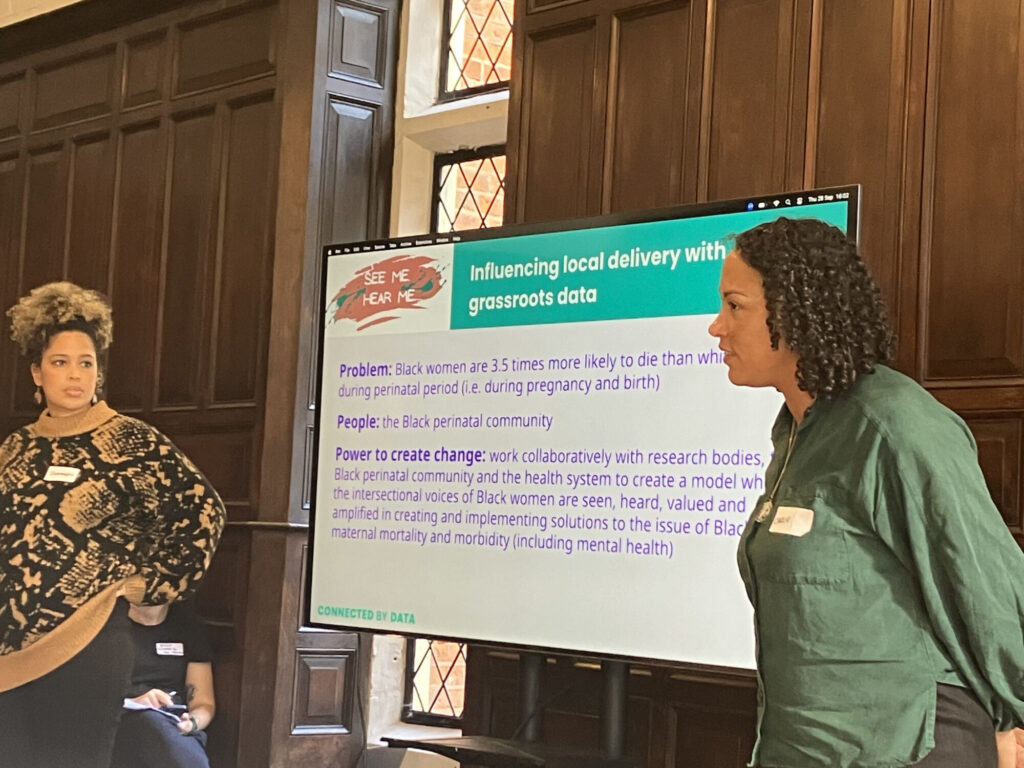
Our creative process culminated in the See Me Hear Me report (2024) and the Midlands Arts Centre launch event “The Conversation”, brining together midwives, policymakers, and Black mothers to explore what culturally safe maternity care really means.
The Impact
A new model for community-led research
Codified through the Seven principles now cited by health and research partners.
01
National Visibility
Featured in Computer Weekly as “a community-led data initiative giving Black mothers total agency.”
02
Policy Dialogue
Engagement with the Birmingham & Solihull NHS integrated Care Board and Professor Patrick Vernon OBE on next steps for culturally safe care.
03
Creative Outputs
Short films, campaign assets, and Dr. Tamanda Walker’s essay Black Community Power (commissioned by The British Science Association.
04
Legacy
The partnership seeded Roots & Rigour’s approach participatory research, strategic rigour, and cultural storytelling to shift systems from within.
05
Your thoughtful introduction regarding the significance of community-led research laid a strong groundwork for the subsequent discussions. By highlighting the importance of incorporating lived experiences into research and policy, you fostered a dialogue that struck a chord with the attendees. Your role on the panel was crucial in revealing how community-led research empowers Black women and stimulates change in maternal health policies.

Amanda Maryam Smith
Maternity Engagement Action CIC
Resources
Report
Read the See Me Hear Me project report documenting the project’s learning and outcomes..

Video
Watch campaign videos sharing key messages and voices.

Presentation
Take a look at our illustration outlining the 7 principles of community-led research.

Article
Read Computer Weekly’s coverage of community-led data work.

Essay
Read an essay situating the work within wider debates on power and data.

Letter
Read a thank-you letter written to us by the project team.